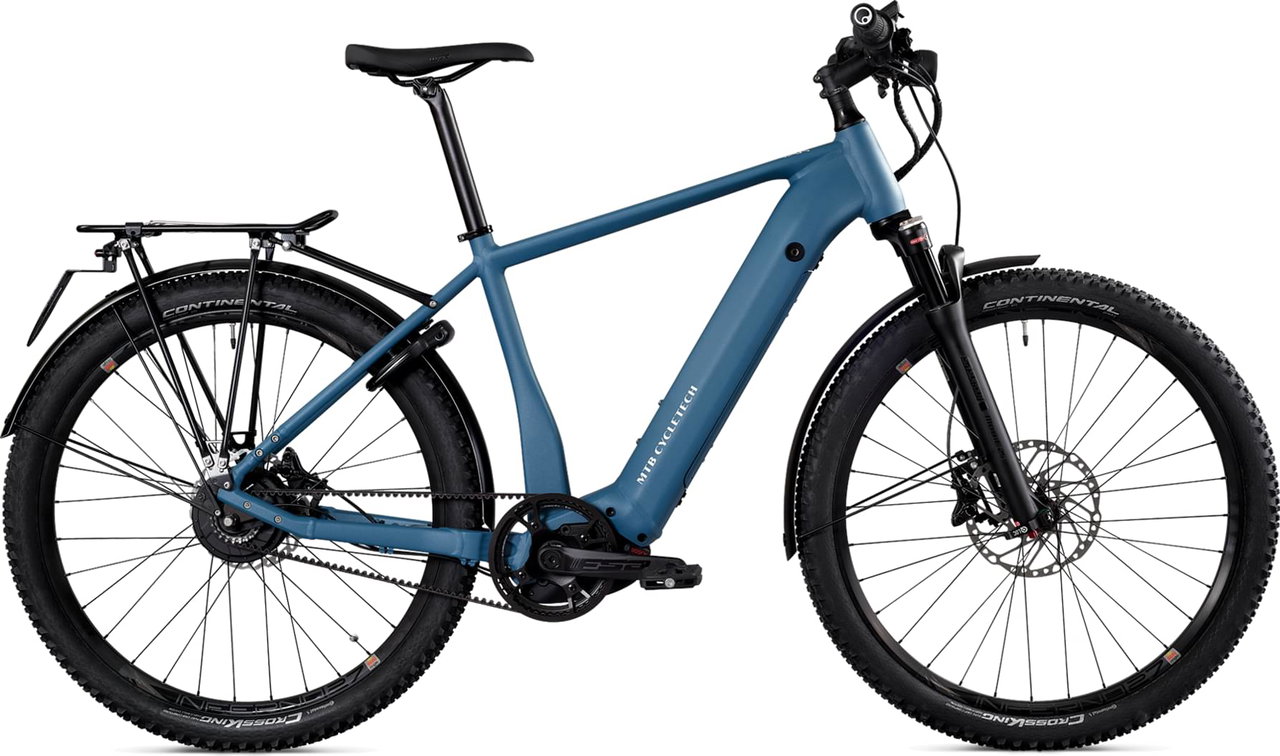
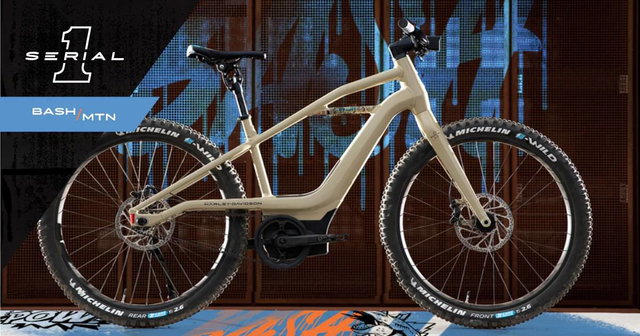
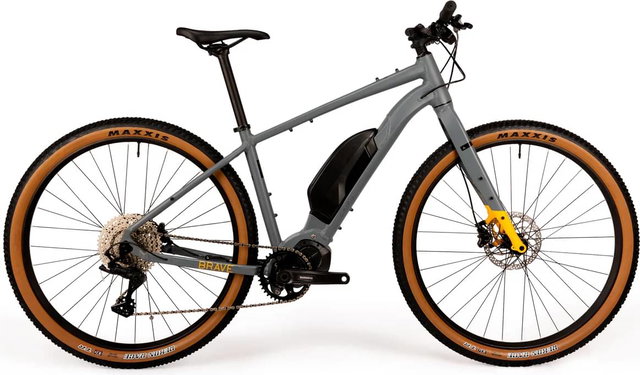
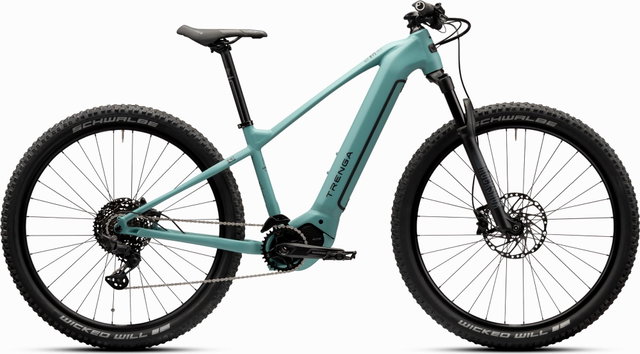
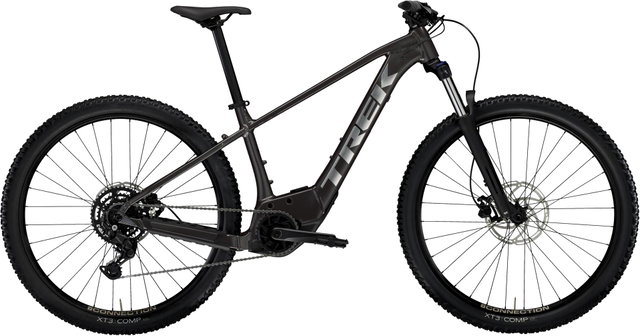
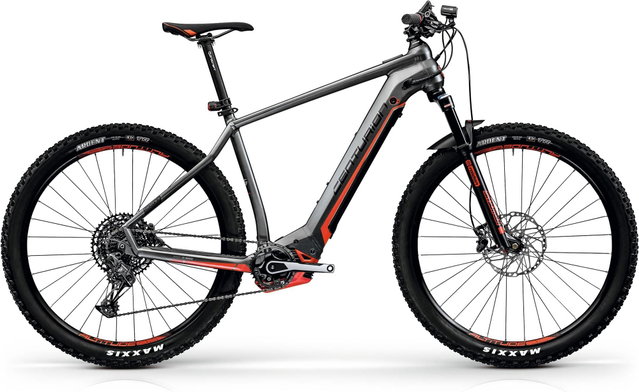
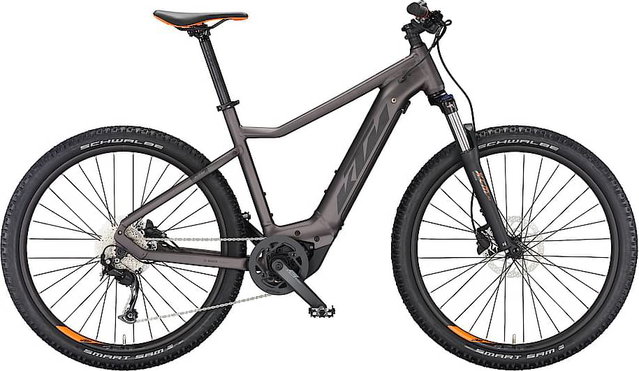
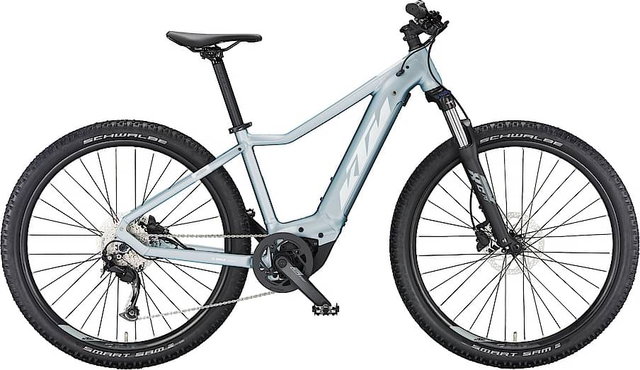
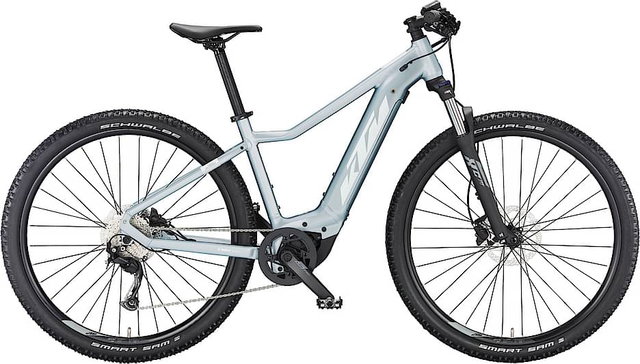
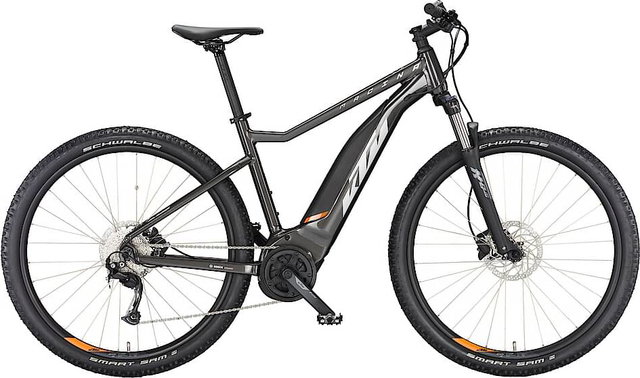
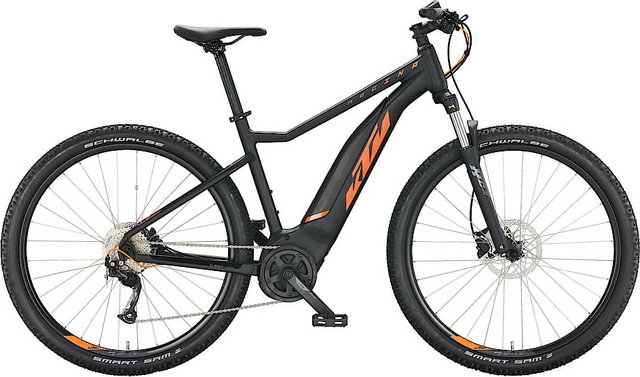
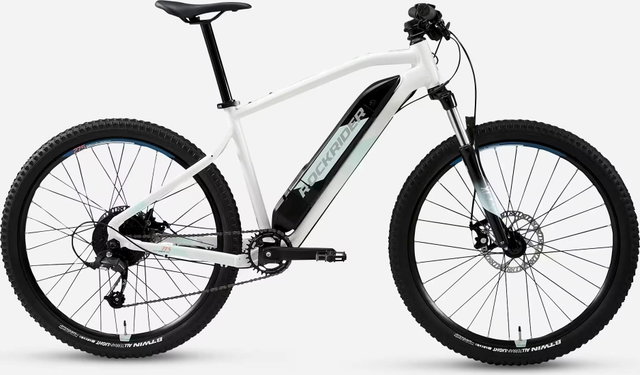
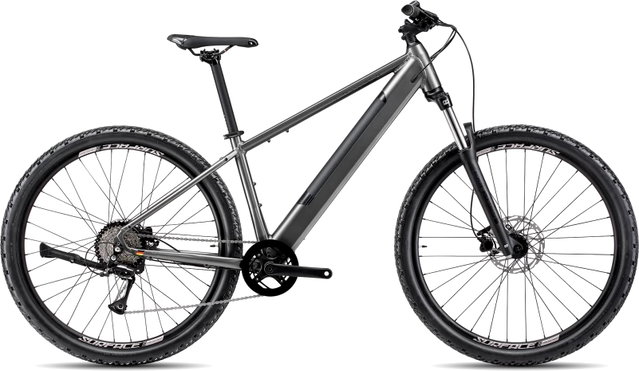
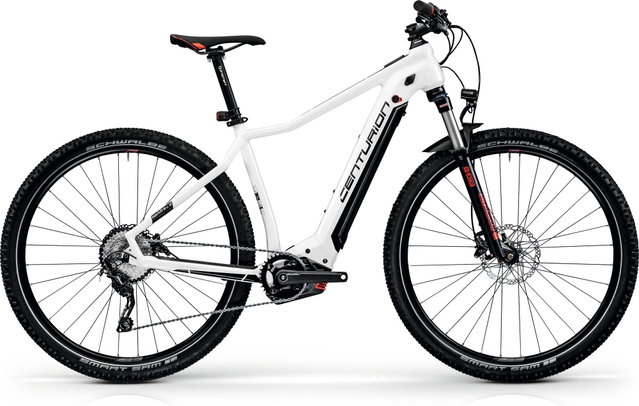
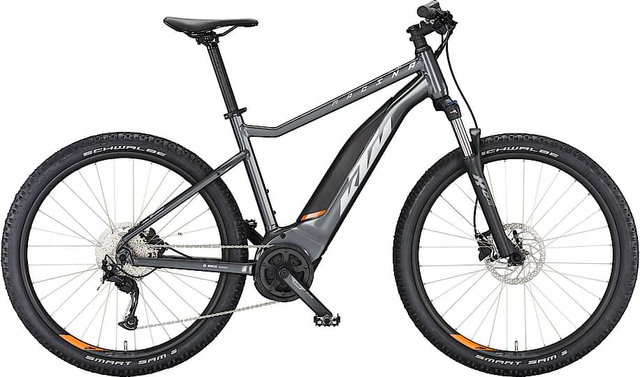
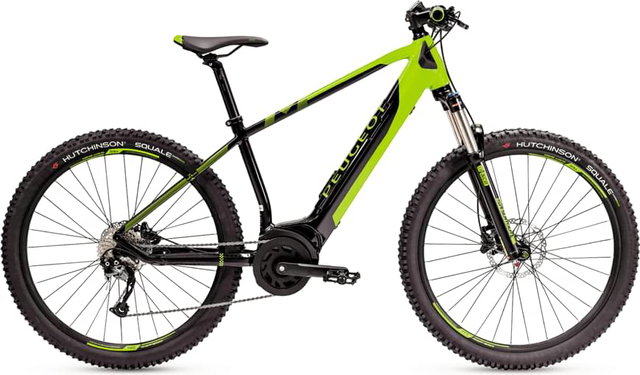
Parts found in a manufacturer catalog show their brand, model and key numbers, and the steps show how precisely they are identified: brand, series, model, or the exact product. The info button has every detail and the text the manufacturer published.
Height ranges are reported by the manufacturer. A matching range is a starting point, not a guarantee of fit. Your proportions and bike setup also matter.
Reach is the horizontal distance from the bottom bracket to the top of the head tube; stack is the vertical distance.
Positive values mean more reach or stack than the reference size; zero means the same measurement. Missing values are not estimated.
Every size is drawn to the same scale, in millimeters. Explanatory schematic on an assumed 27.5″ wheel; exact published values are in the table below.
SizeReported by the manufacturer
150160170180190
Complete manufacturer geometry by size
Measurement
Reachmm
404
425
448
Stackmm
605
620
640
Top tube lengthmm
555
580
607
Seat tube lengthmm
450
480
520
Head tube lengthmm
127
138
160
Head tube angle
67°
68°
68°
Seat tube angle
74°
74°
74°
Chainstay lengthmm
460
460
460
Wheelbasemm
1134
1150
1180
Front centermm
683
699
729
Bottom bracket dropmm
72
72
72
Bottom bracket heightmm
283
283
283
Fork rakemm
46
46
46
Trailmm
102
94
95
Stack/reach ratio
1.50
1.46
1.43
Not published by the manufacturer: Standover height, Front travel, Rear travel, Crank length, Handlebar width, Stem length, Stem angle, Seatpost length and Dropper post travel.
Specifications
Frame and fork
Intended fit
Unisex
Fork material
Aluminum
Bicycle weight
22.4 kg
49.4 lb
Suspension
Suspension configuration
Rigid
Wheels and brakes
Wheel configuration
Same size
Brake type
Hydraulic disc
Fit and controls
Shifting
Mechanical
Electric system
Battery capacity
500 Wh
Additional specifications
Battery
The Powertube battery with a capacity of 500 Wh is integrated into the downtube, but can be easily removed if needed.
Wheel material
Aluminum
Wheel size
27.5″
Technical analysis
1 measure
How these figures sit among bicycles of the same class and model year. Context, not a ranking.
Shifting
How we calculated this
This analysis describes frequency, not preference.
Mechanical
222 of 1,648 bicycles with this information use electronic shifting.
Electronic 13.4%Mechanical 86.5%
Cohort
Mountain / Cross-country
Model year: 2025
Sample
1,648 bicycles with this information
Coverage
95.9% of the class
Lineup changes
The published facts that differ across this family's builds and from the same model a year earlier. Missing information never counts as zero.